
F R A N C E S C O
A G R E S T I
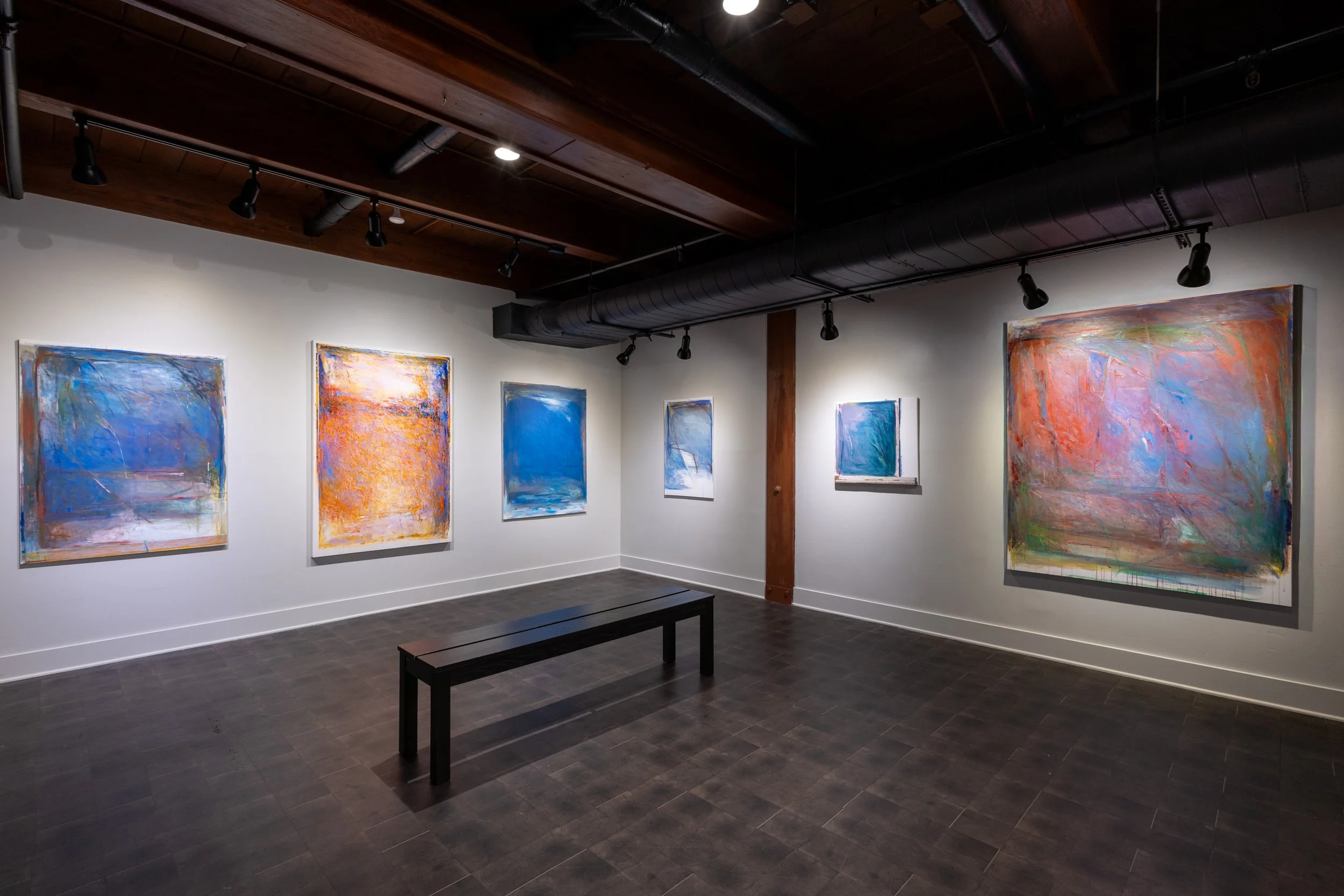
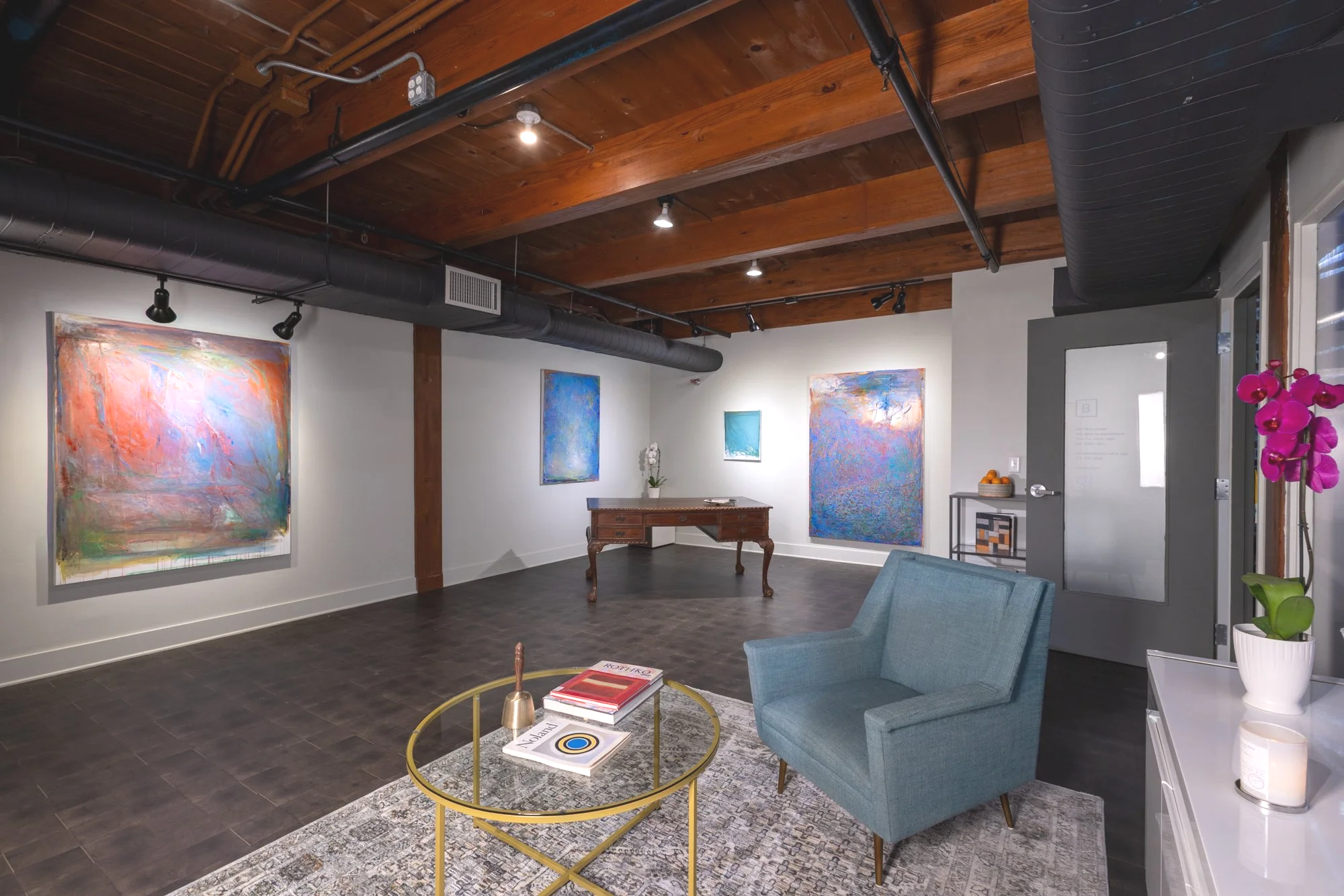
Browne Art is pleased to present Emancipation, a solo exhibition of luminous abstract paintings by Italian-born, New York–trained artist Francesco Agresti, who has lived and worked in Florida since 2003.
Shaped by his meditations on Florida’s coastal light and atmosphere, Agresti’s paintings and works on paper include notations of sea grasses, deep blue waters, and golden sunrises.
On view through summer 2026.
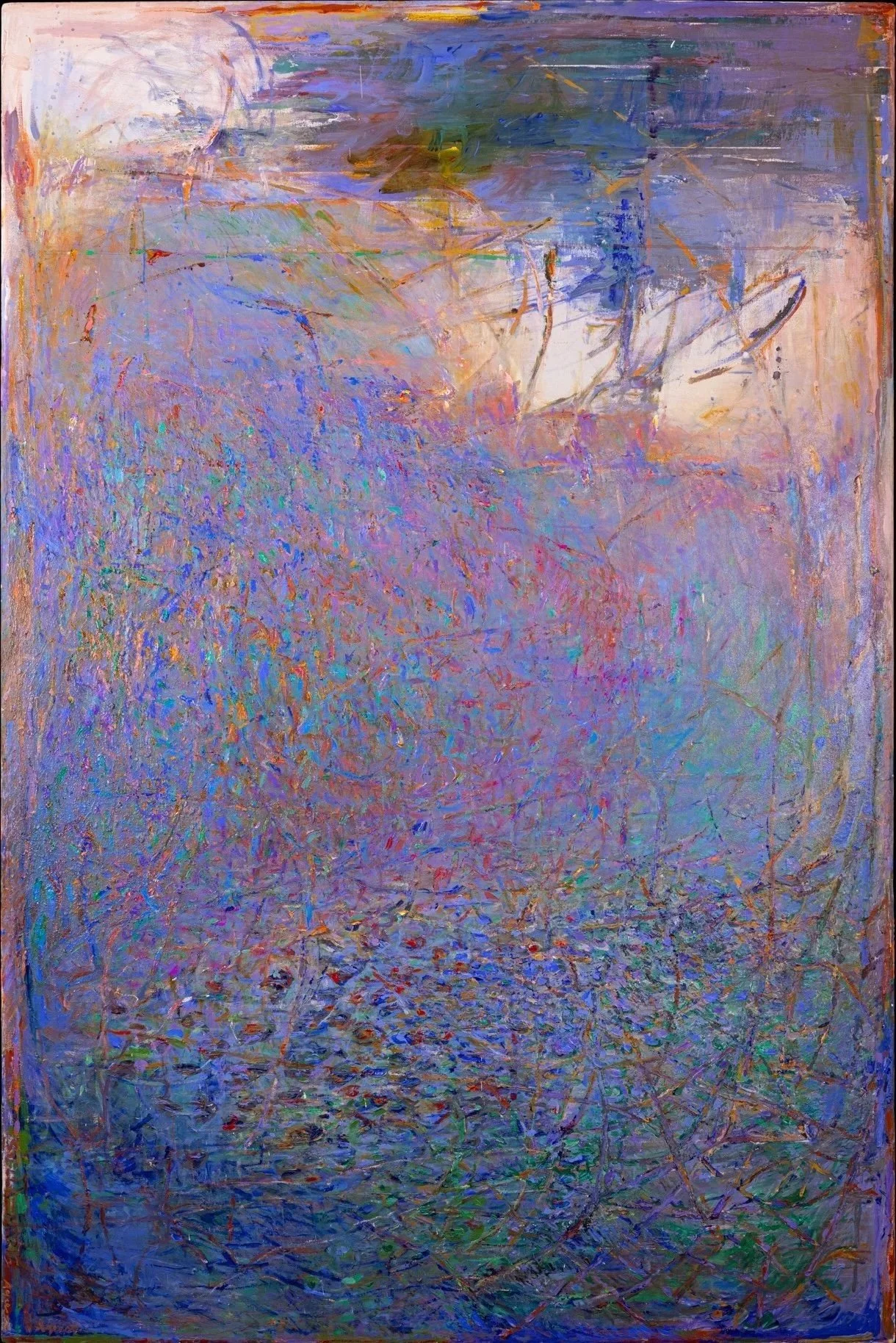
Stella Maris (2018–22) • Mixed Media on Canvas • 72 × 48 in.
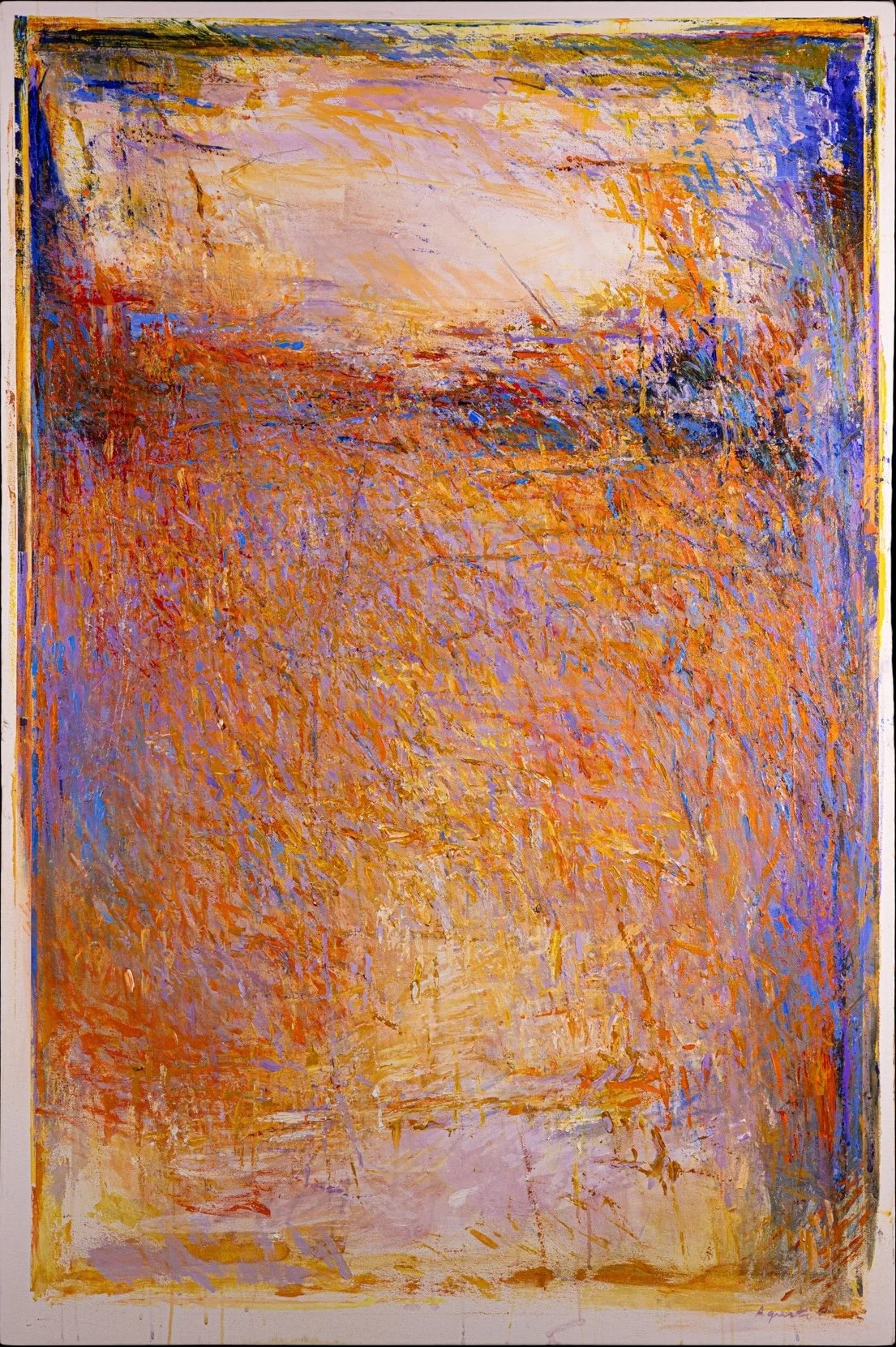
Returning Horse (2022) • Broken Straw Series • Mixed Media on Canvas • 60 × 40 in.
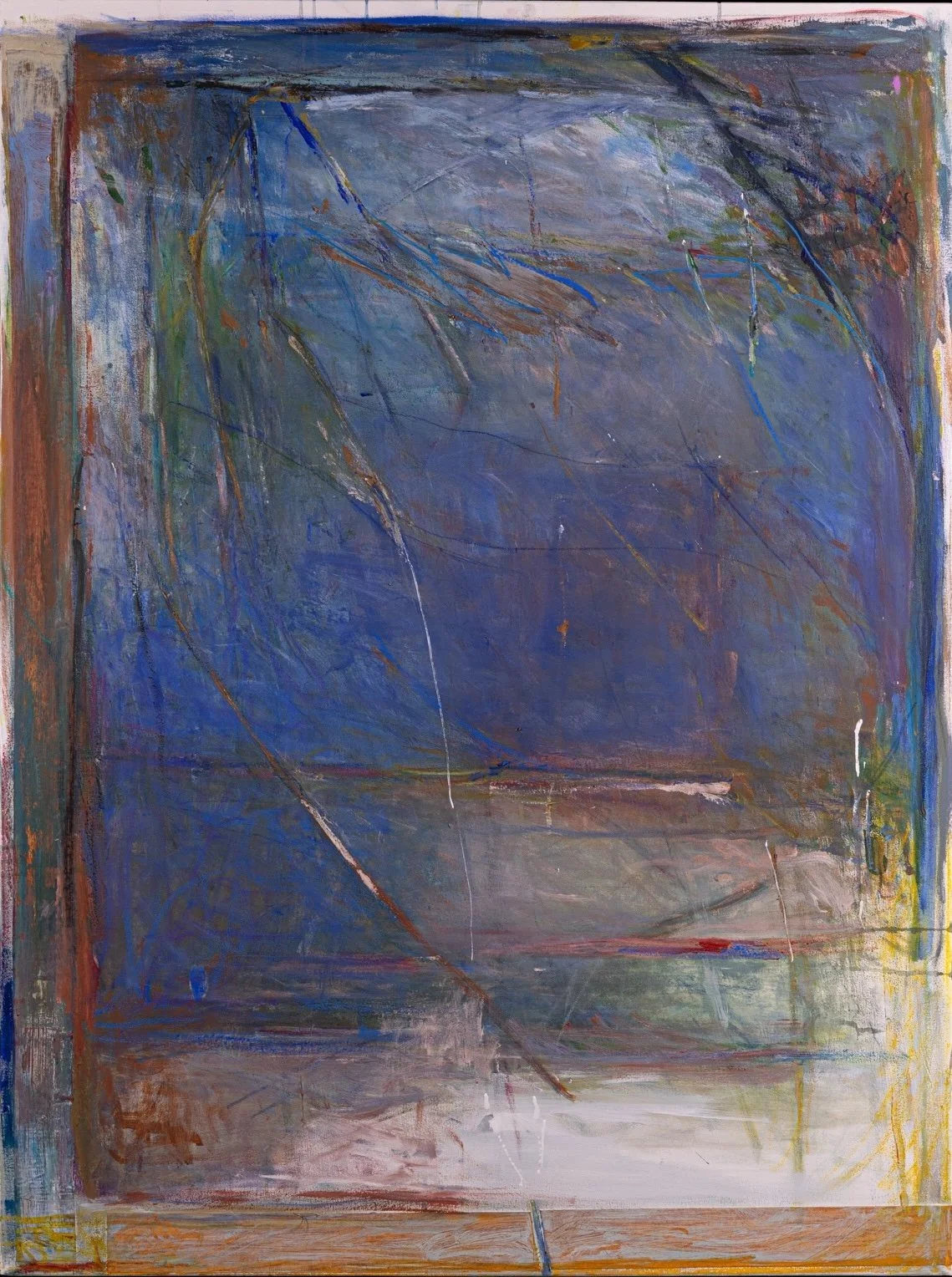
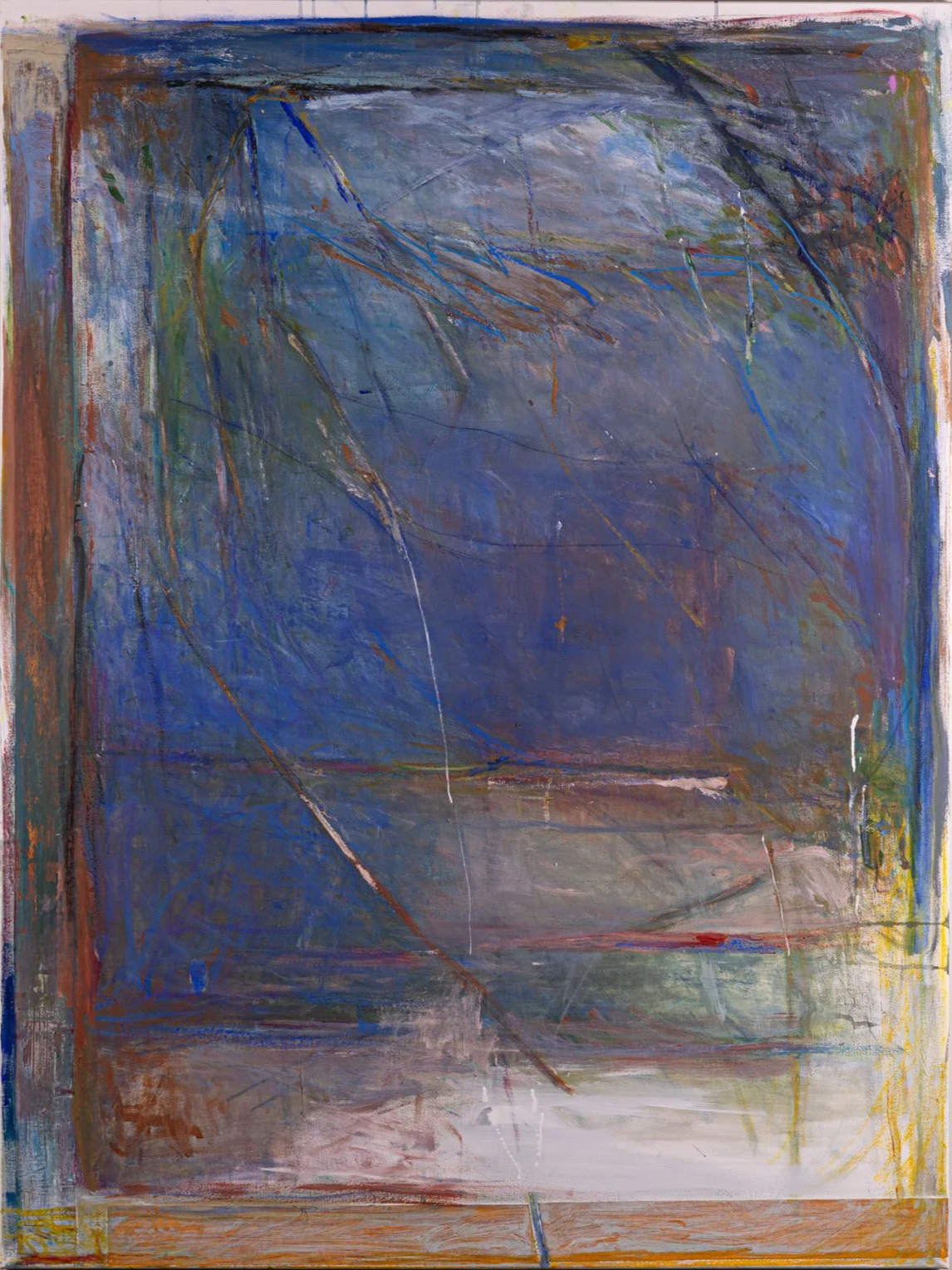
Fontainebleau (2026) • Saeta Series • Mixed Media on Canvas • 48 × 36 in.
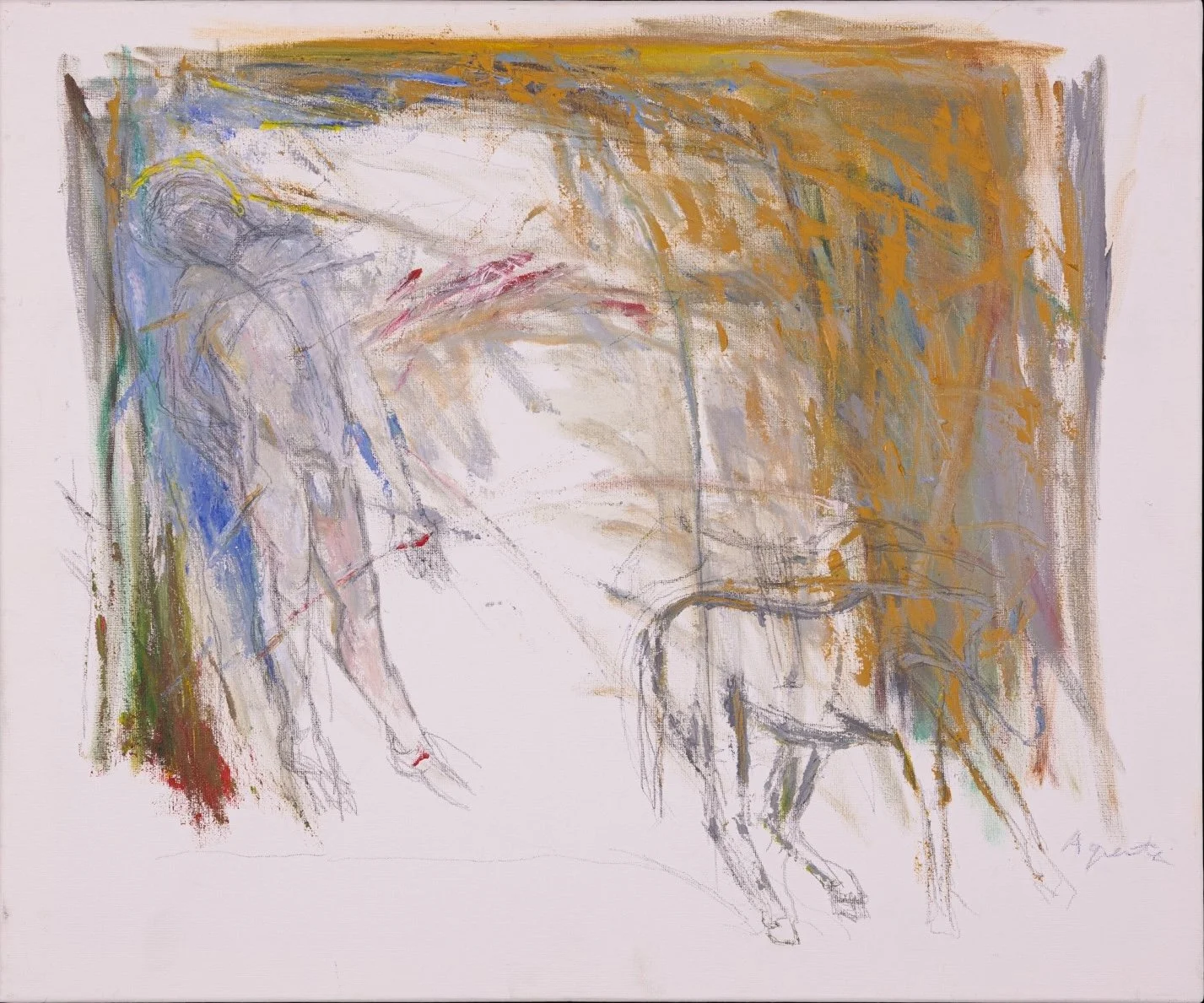
Saint Sebastian (2025) • Predatory Passion Series • Mixed Media on Paper • 19¾ × 23½ in.
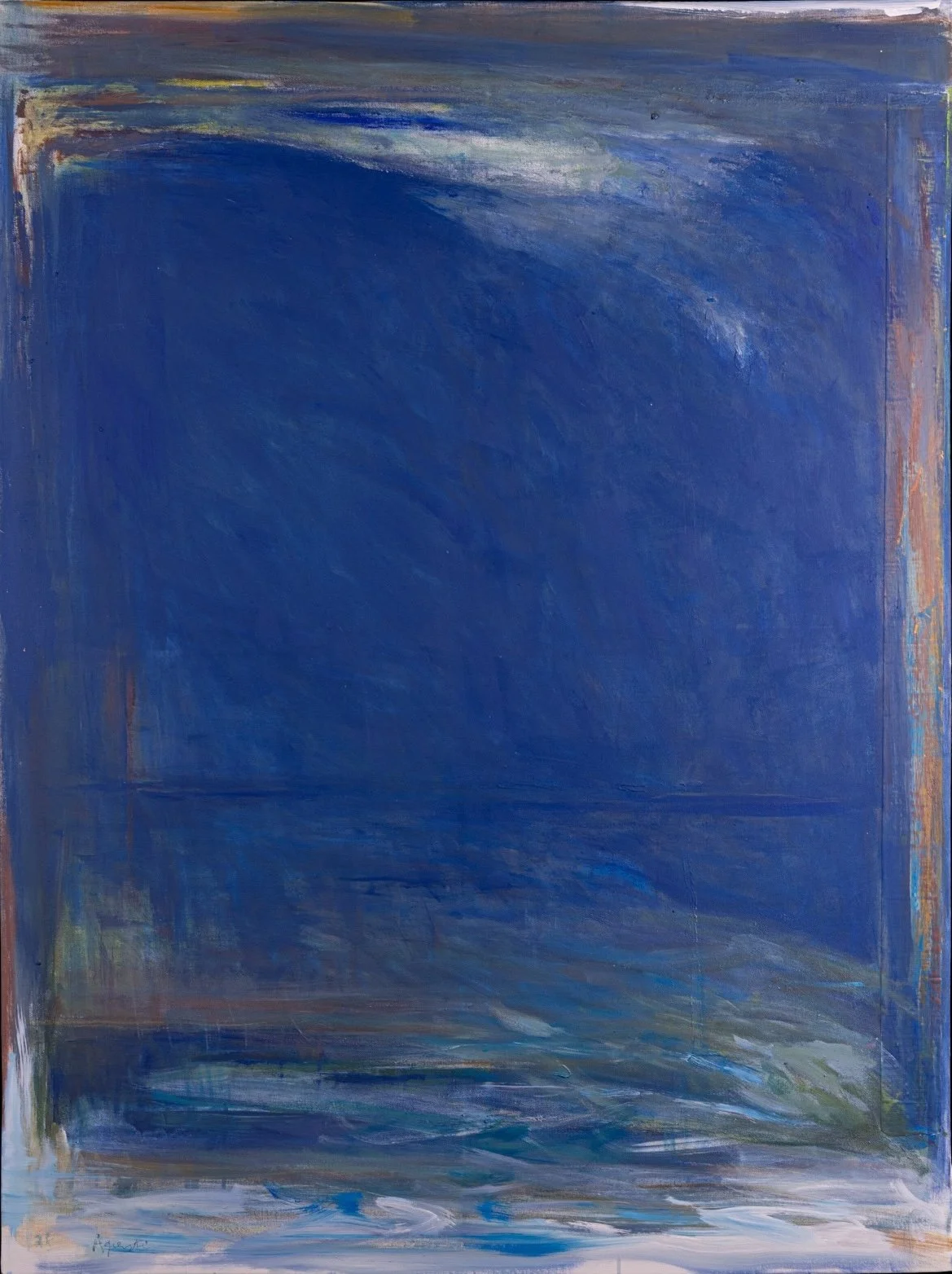
Midnight Ocean Scituate (2025) • Mixed Media on Canvas • 48 × 36 in.
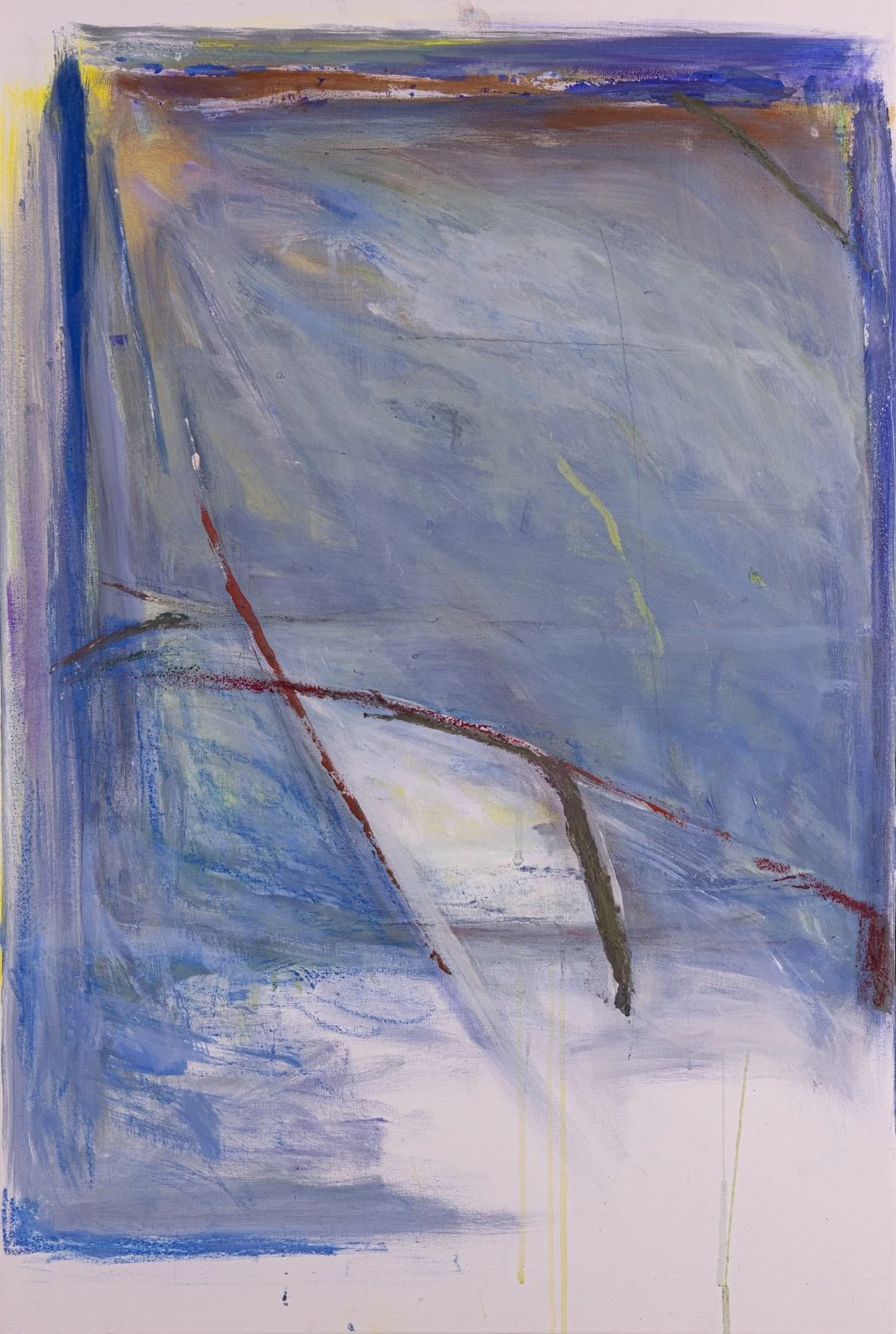
Saeta (2026) • Saeta Series • Mixed Media on Canvas • 36 × 24 in.
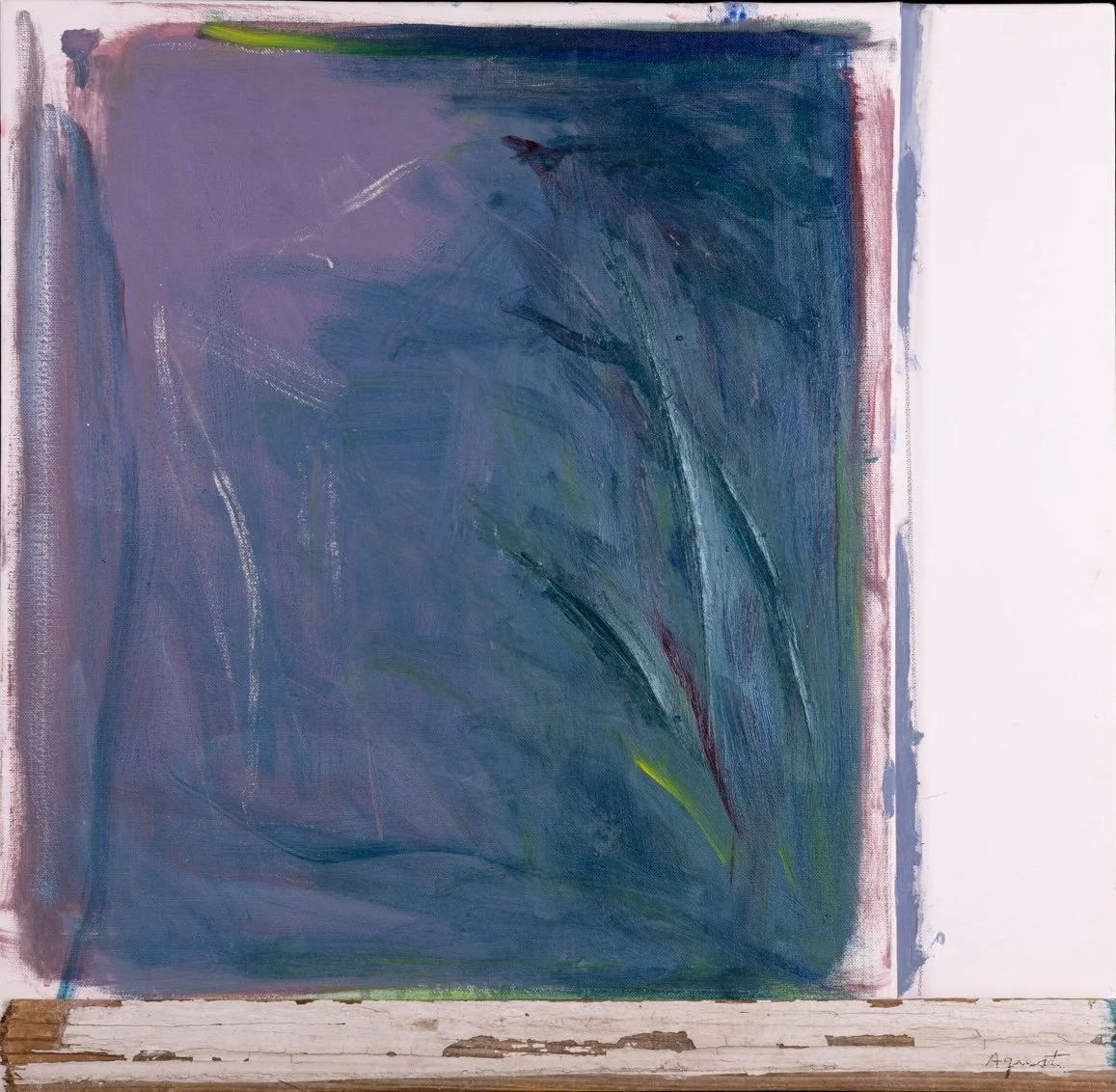
Luccio in the Piazza (Construct) (2026) • Saeta Series • Mixed Media on Canvas with Found Wood • 23½ × 24 in.
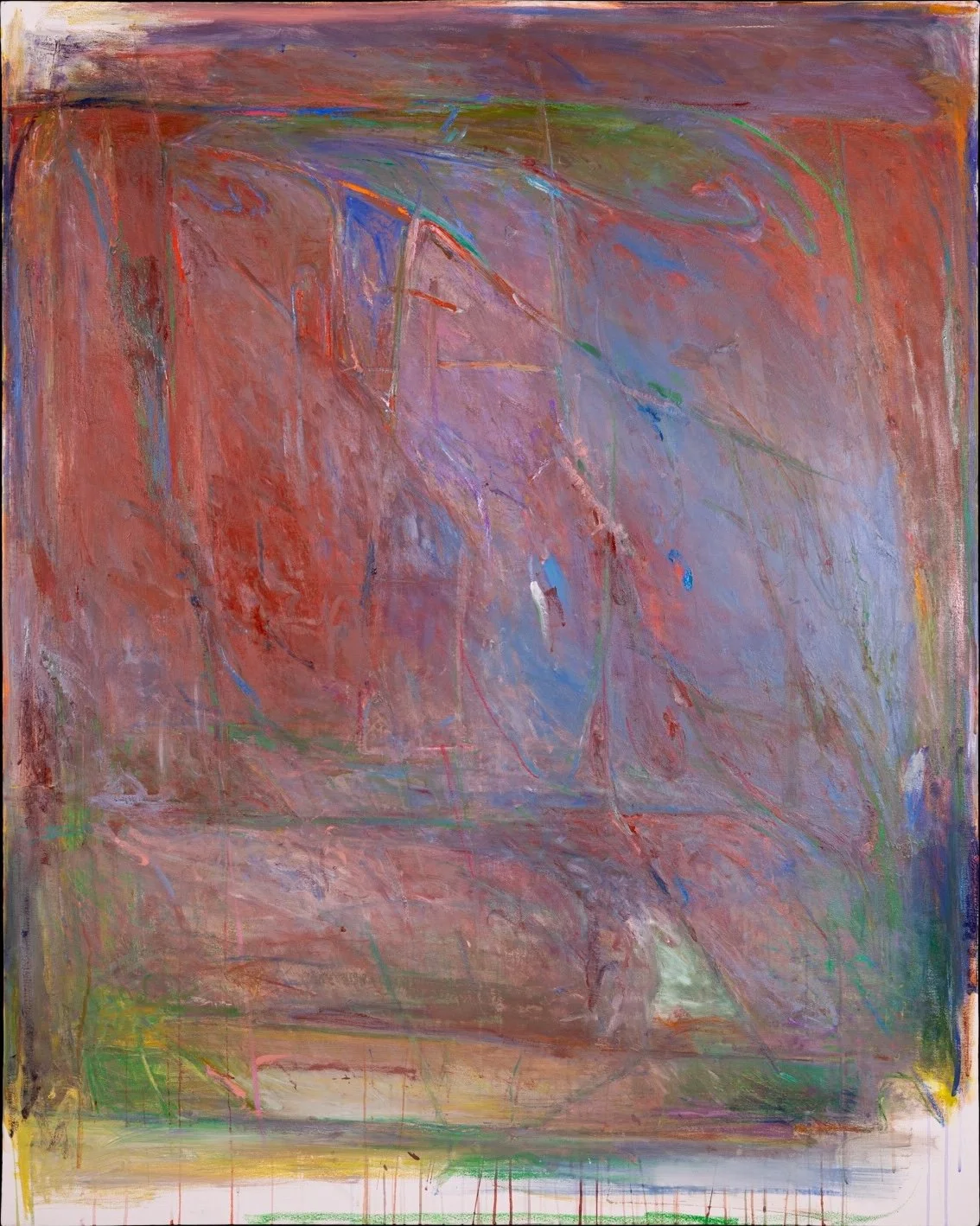
Green Line (2025–26) • Predatory Passion Series • Mixed Media on Canvas • 60 × 48 in.
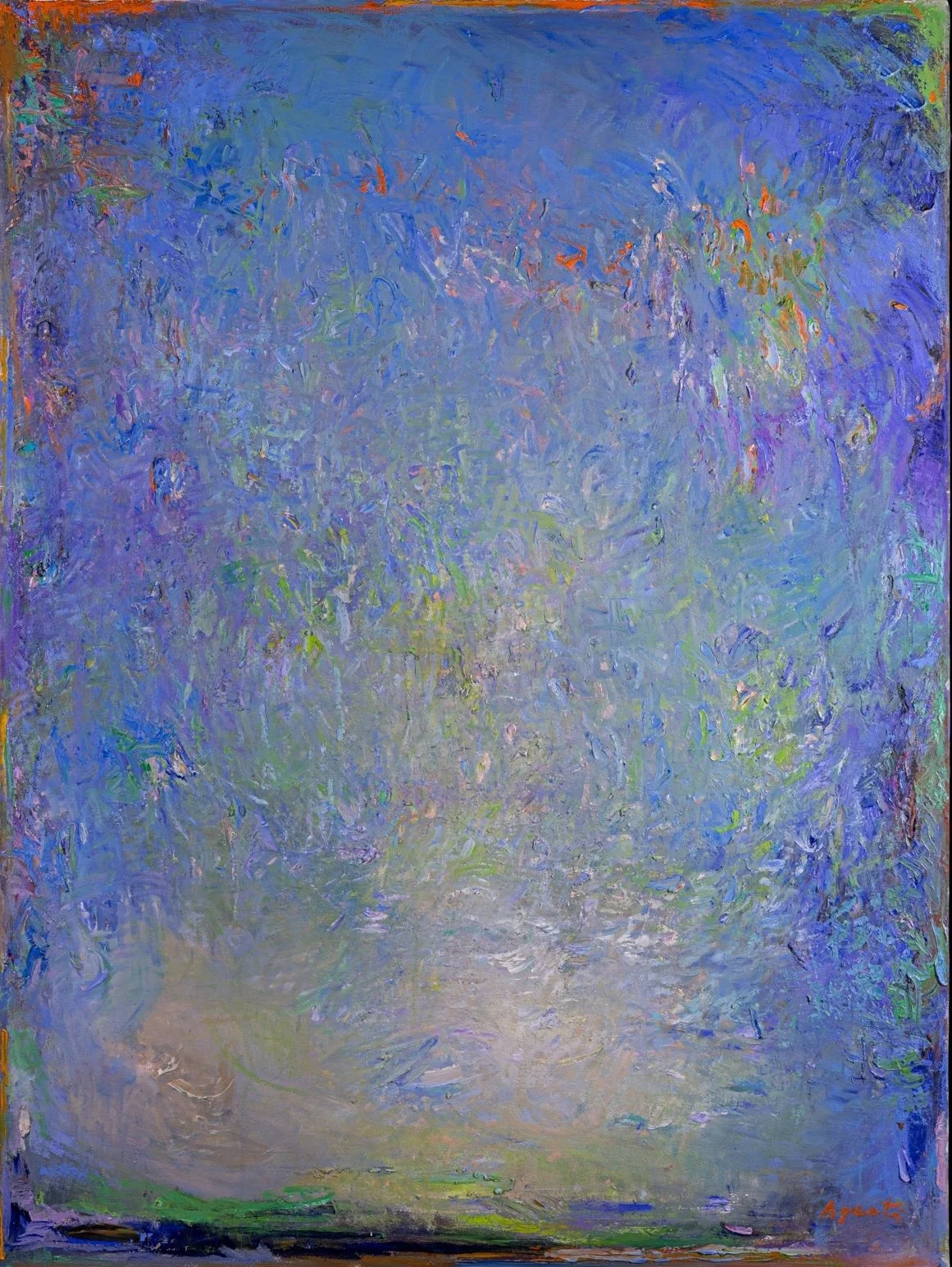
Slow Falling (2017–18) • Sea Oats Series • Mixed Media on Canvas • 48 × 36 in.
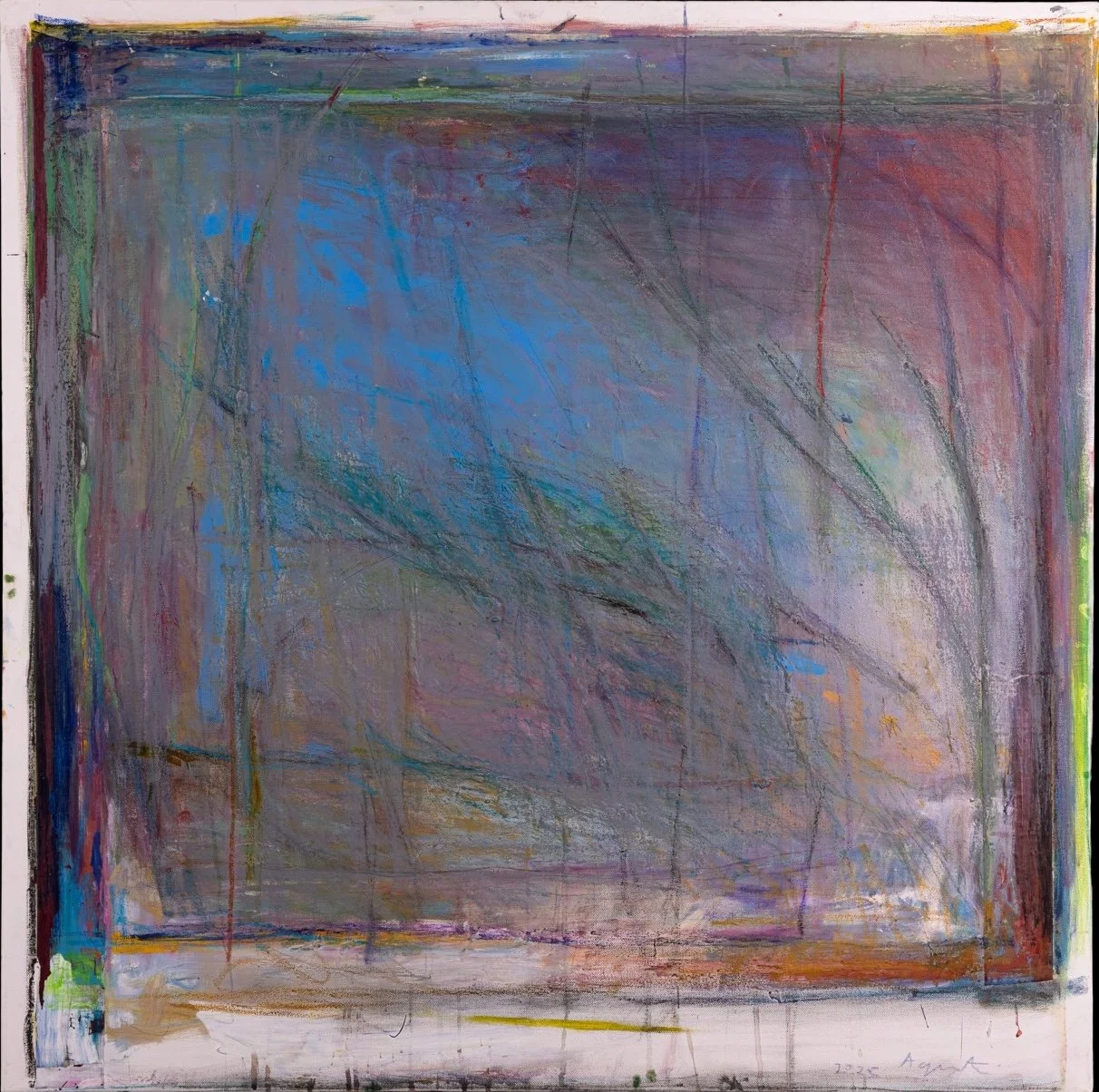
A Question of Balance (2025) • Green Blade Rising Series • Mixed Media on Canvas • 36 × 36 in.
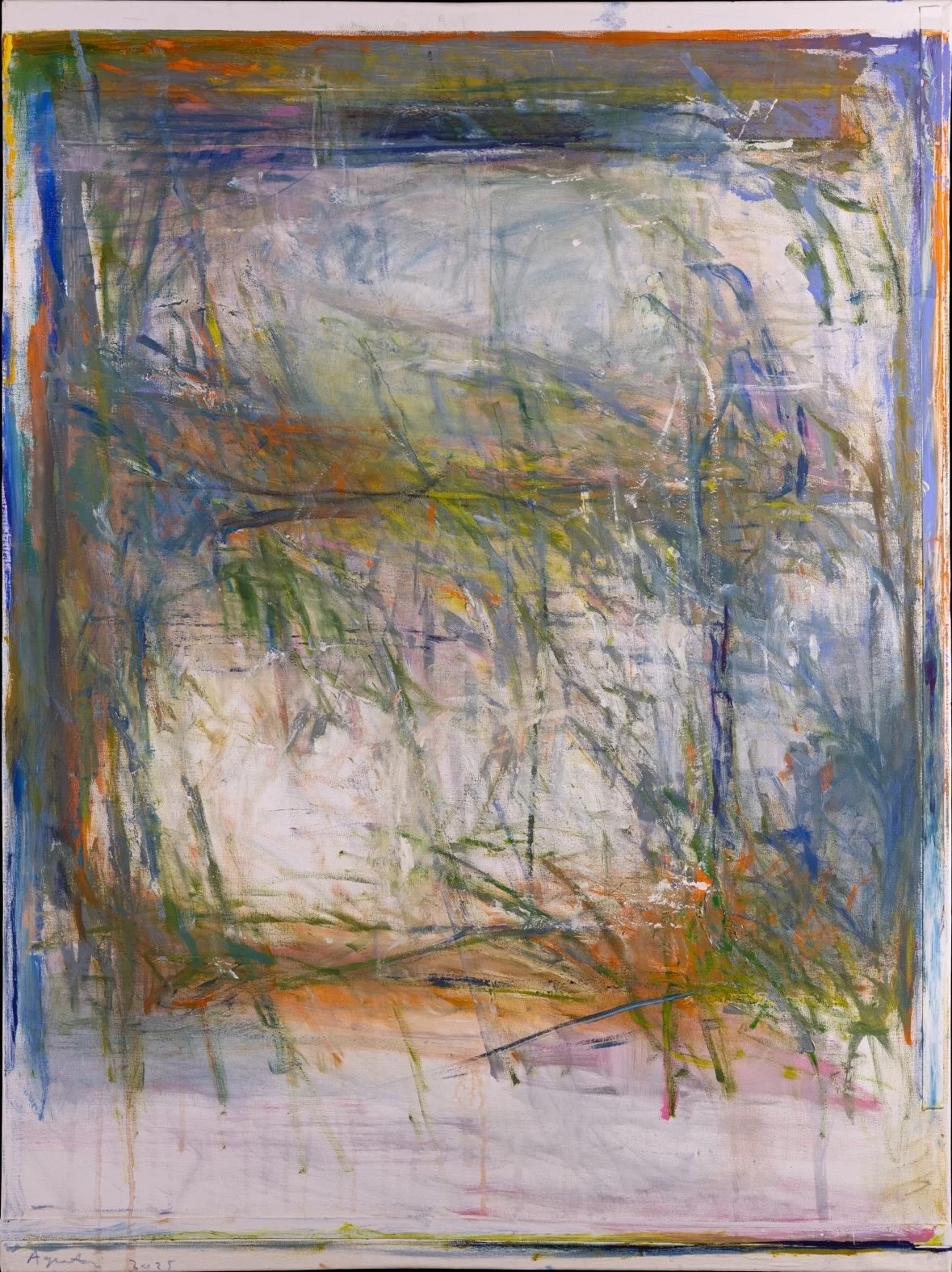
Entanglement (2025) • Broken Straw Series • Mixed Media on Canvas • 48 × 36 in.
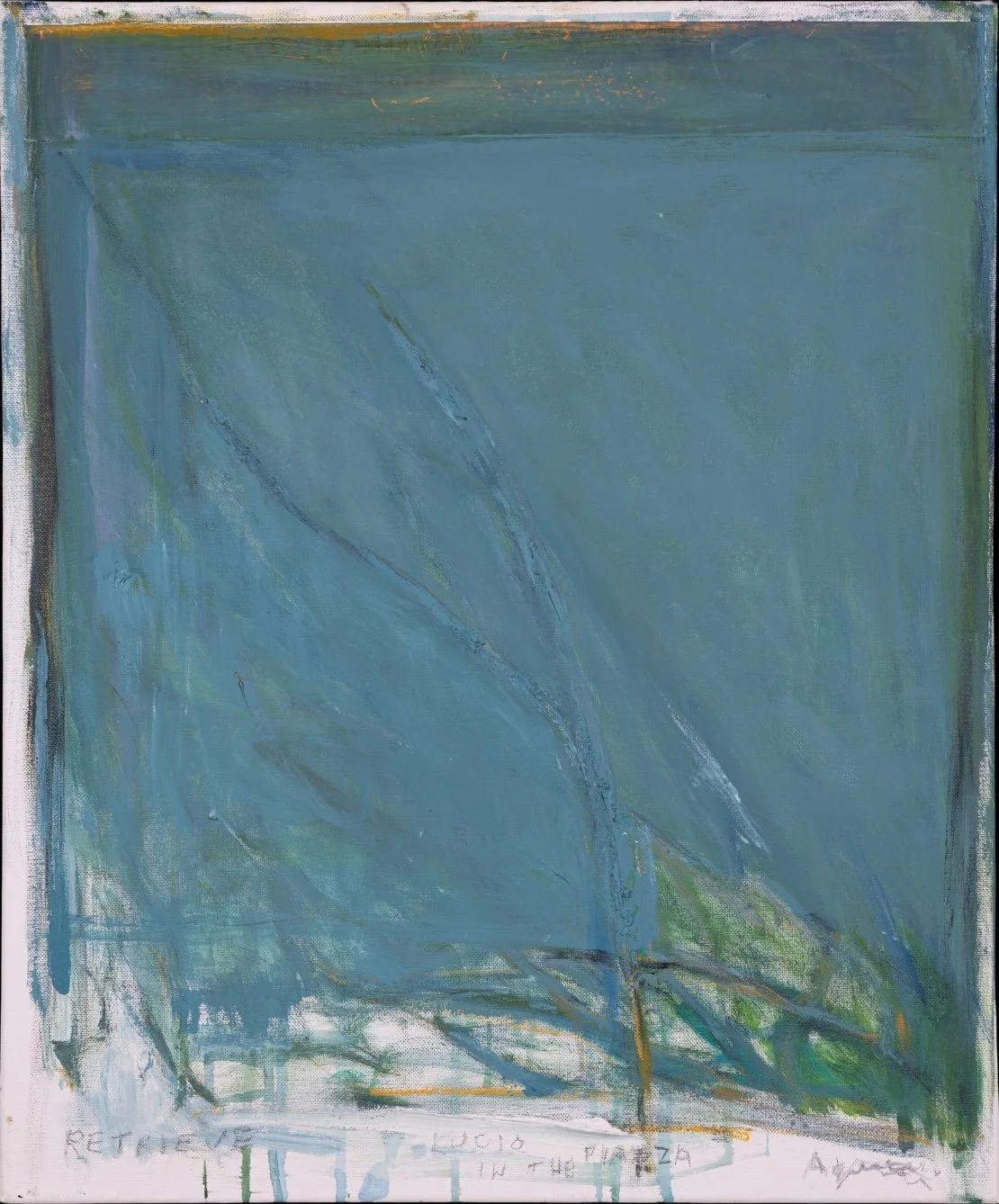
Luccio In the Piazza/ Retrieval (2025) • Saeta Series • Mixed Media on Canvas • 24 × 20 in.
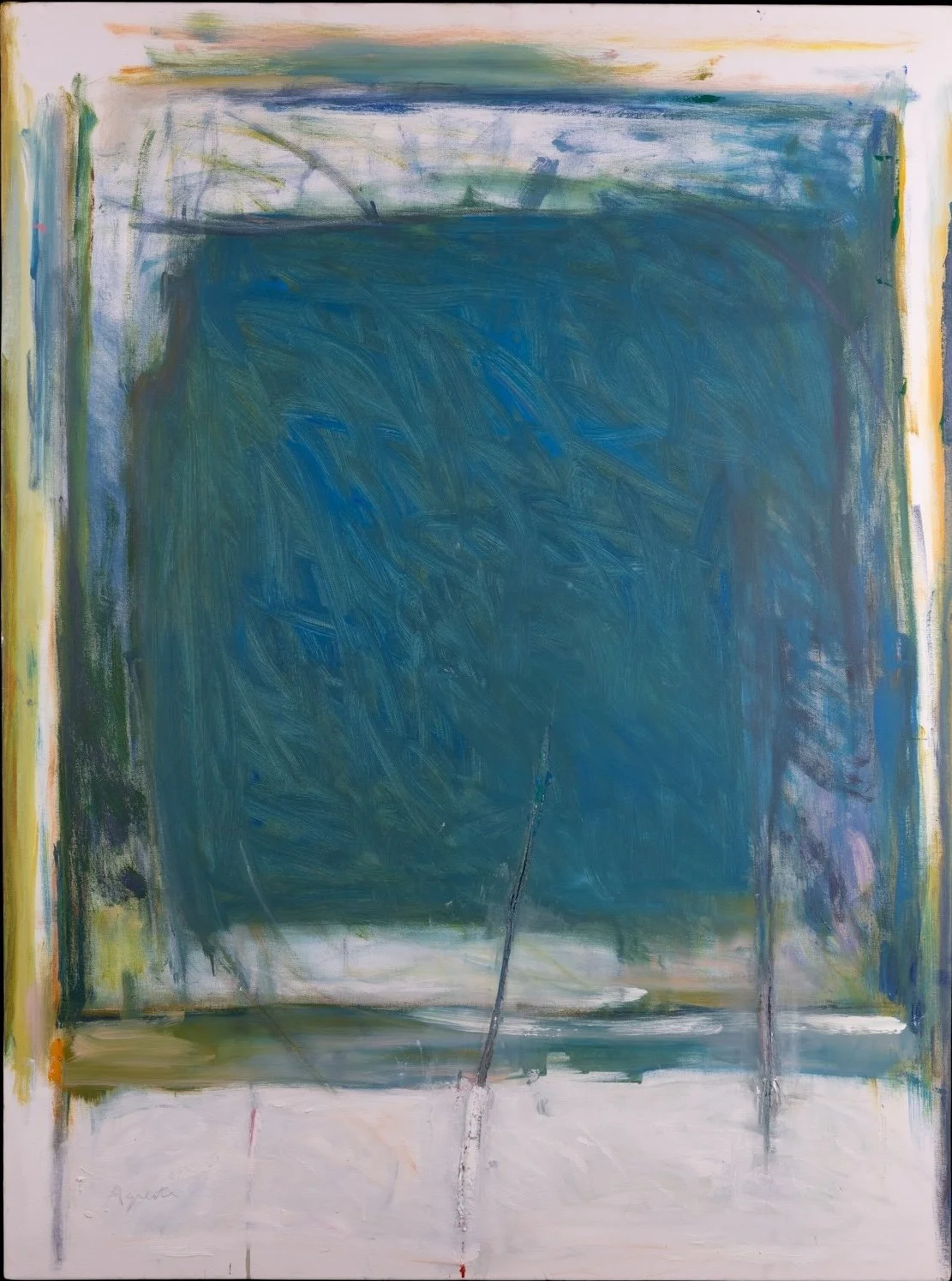
Pierced (2025–26) • Green Blade Rising Series • Mixed Media on Canvas • 48 × 36 in.
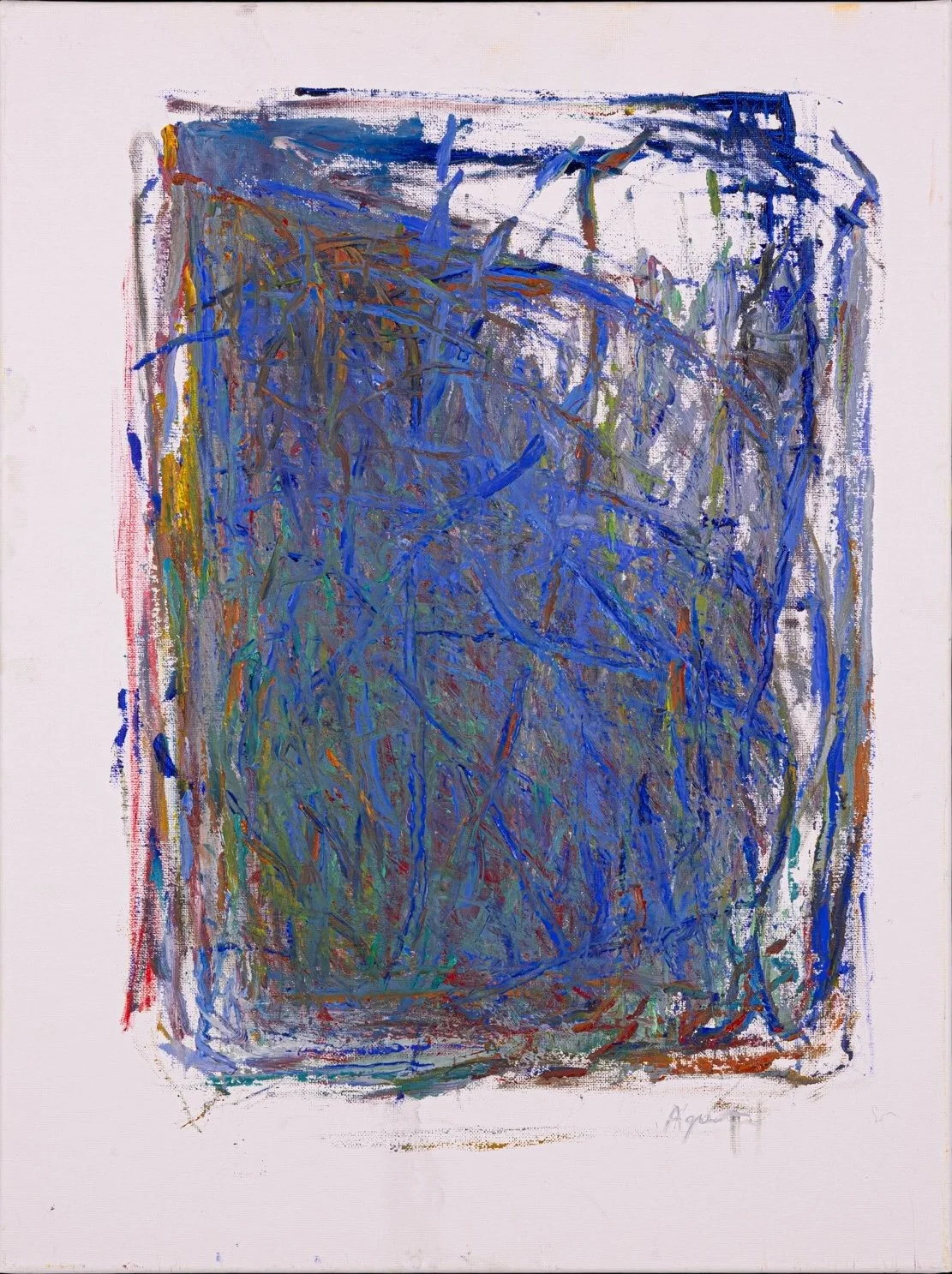
Sea Oats Ariadne (2025) • Sea Oats Series • Acrylic and Oil Stick on Paper • 24 × 18 in.
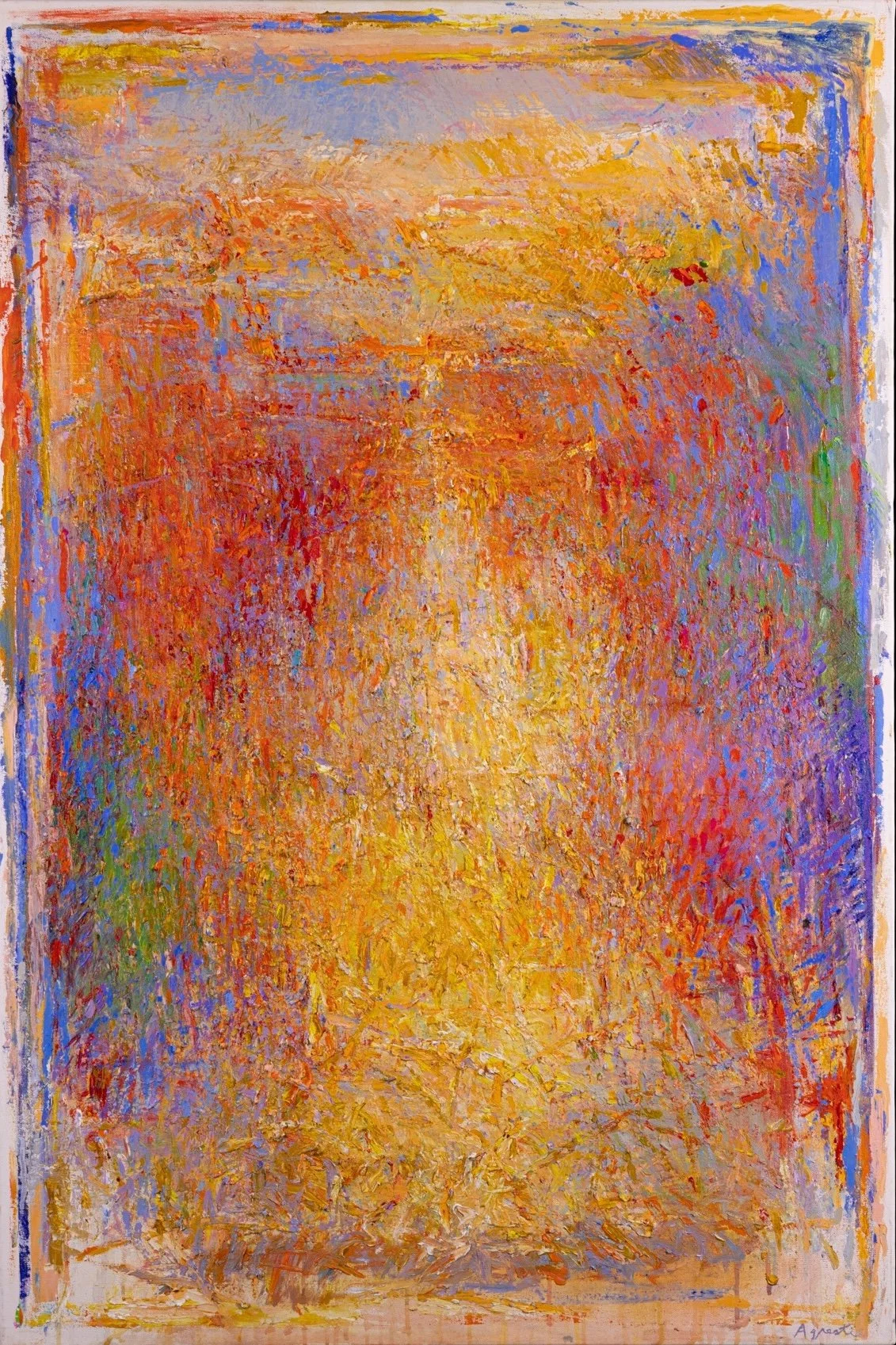
Untitled (Sea Oats) (2022) • Sea Oats Series • Mixed Media on Canvas • 48 × 32 in.
Agresti’s mixed media works are constructed through layered applications of diverse materials.
Marble dust and polymer emulsion create the viscosity of the surface, while acrylic, gouache, and latex paint contribute rich chromatic depth. Oil stick, pencil, and ink are used to create the broken lines, zigzags, and gestural marks characteristic of Agresti’s work across many series.
Inquire to learn more about a specific work of art.
A Lesson In Viewing
From the Curator of Emancipation
Jovian Browne
The occasion of this exhibition marks a pivotal moment in Agresti’s artistic evolution. Known for the rigorous geometric compositions and textural surfaces of his early career, his recent body of work is looser, freer, and more joyful than ever. In this late career retrospective, Emancipation, Agresti re-emerges at age 76, transformed by life experience—a crucible of love, loss, celebration and rejection—all of which is embedded in the lyrical abstractions on view at 260 1st Ave South. In his most recent works, high aesthetic fluency is apparent in the melding of expressionistic styles and in the greater simplicity of spacious compositions. It is clear that after five decades of practice, Agresti has finally arrived at the pinnacle of his craft.
The works give us glimpses of a highly sensitive artist’s inner world. Through each, Agresti takes us on a journey of emancipation — from confinement, into the crucible, and toward escape. Let us take a tour of the seminal work, Fontainebleau, to see how this narrative unfolds.
Francesco Agresti
Fontainebleau, 2026
Saeta Series
Acrylic, gouache, chalk, marble dust, wax, veneer tape, linseed oil, and ink
48 (H) X 36 (W) in.
Three Stages
1. Confinement
The journey begins at the painting’s edge, because in Agresti's world, edges function as thresholds — the entry point to submersion. The artist uses veneer tape to distinguish the border zones from the interior, along with multiple subtle transitions between colors. Another signature element in Agresti’s work are the stacked horizontal bands across the bottom of each tableau— what he calls the predella, borrowed from Renaissance altarpiece painting. All of these devices are visible in Fontainebleau.
2. Crucible
Once inside of the border, the atmosphere shifts. Contained inside the painting’s interior, you may experience the full intensity of the world Agresti has created, through variations of line, texture, and color. There is a richness here like the crescendo of a symphony or wind accelerating through trees. Intensity mounts along with this textural variability, heightening sensation and emotion.
3. Escape
Eventually, when the container of the painting feels too full, you begin searching for an exit—a doorway or a window—a quiet passage delivering you from overflow to peace.
In Fontainebleau, two exits present themselves. The first follows the zone where air gathers toward the top of the canvas, where brushwork separates and density dissolves. The second appears in the lower right, where a portion of the predella is left bare white—as if a door has been left open.
Francesco Agresti
Fontainebleau, 2026 (Detail)
Saeta Series
Acrylic, gouache, chalk, marble dust, wax, veneer tape, linseed oil, and ink
48 (H) X 36 (W) in.
Emancipation is not achieved by turning away from intensity, but by passing fully through it.
Containment gives structure. The crucible deepens sensation. Escape opens space. Light returns only after integration—when experience has been fully felt and carried to clarity. In this way, Agresti shows us that freedom is not the absence of feeling, but its completion. ▪️
Francesco Agresti
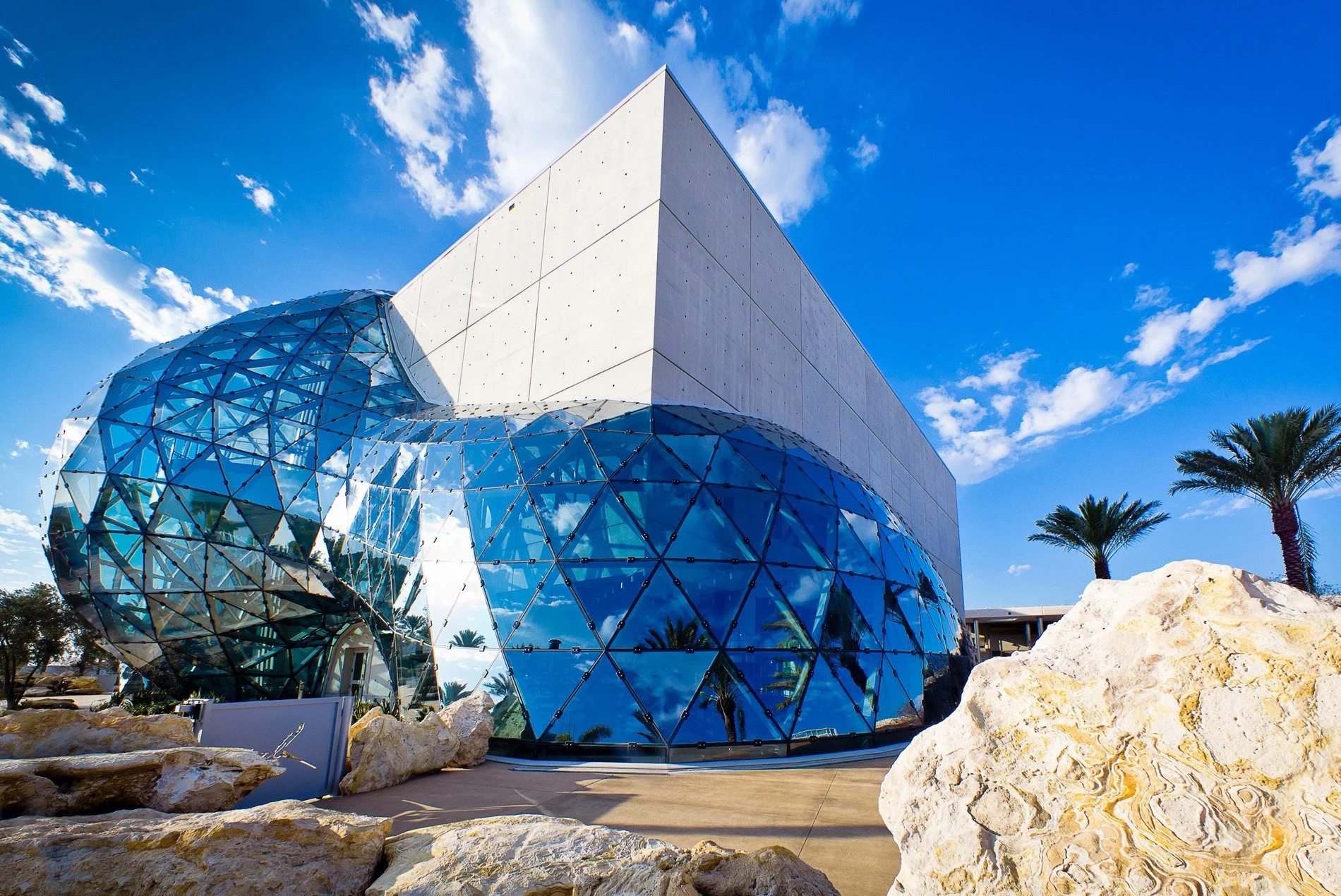
The Dalí Dozen: Ten-Year Anniversary
Presented by The Dali Museum
St Petersburg, Florida
Friday, June 5th, 2026
6:30 - 9 PM
Purchase tickets on the Dalí website.